
Hard Water Stain Removal for Windows in San Clemente
White spots or cloudy mineral buildup that regular window cleaning won’t remove? We inspect the glass first, identify the buildup, and use the right treatment for its condition.
Careful Glass Assessment · Targeted Stain Treatment · Clear Upfront Pricing
What Are Hard Water Stains on Glass?
Hard water contains dissolved minerals, mainly calcium and magnesium. The U.S. Geological Survey explains that these two minerals account for most water hardness. When mineral containing water dries on a surface, it can leave deposits behind. U.S. Geological Survey
Repeated exposure can cause more buildup in the same areas, especially where sprinklers regularly hit exterior glass.
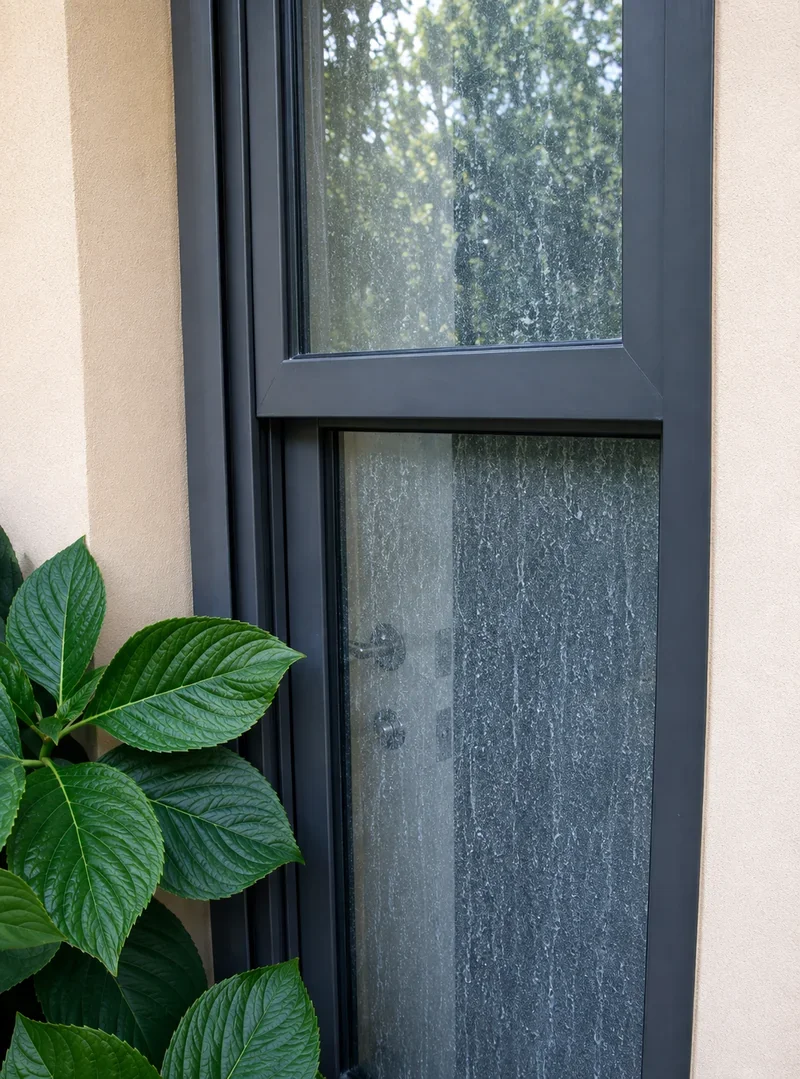
On windows, this may appear as:
- White spots
- Cloudy patches
- Chalky residue
- Rings or drip marks
- A dull film that remains after normal cleaning
This is more than a generic concern in San Clemente. In the City of San Clemente’s 2021 water quality report, total hardness was reported at 265 parts per million as calcium carbonate, with calcium at 66 ppm and magnesium at 26 ppm. The USGS classifies water above 180 mg/L as very hard. Water conditions can vary over time and by supply, so these figures should not be treated as a measurement for every property today. San Clemente
The City continues to publish annual water quality reports for local customers. San Clemente
Is It Hard Water, Coastal Residue, or Regular Window Dirt?
Not every mark on a San Clemente window is a hard water stain. That is why we start with an inspection instead of treating every cloudy window the same way.
Regular Dirt and Grime
Regular dirt and grime can include dust, pollen, fingerprints, cobwebs, and outdoor debris. These are normally handled through standard window cleaning.
Hard Water Deposits
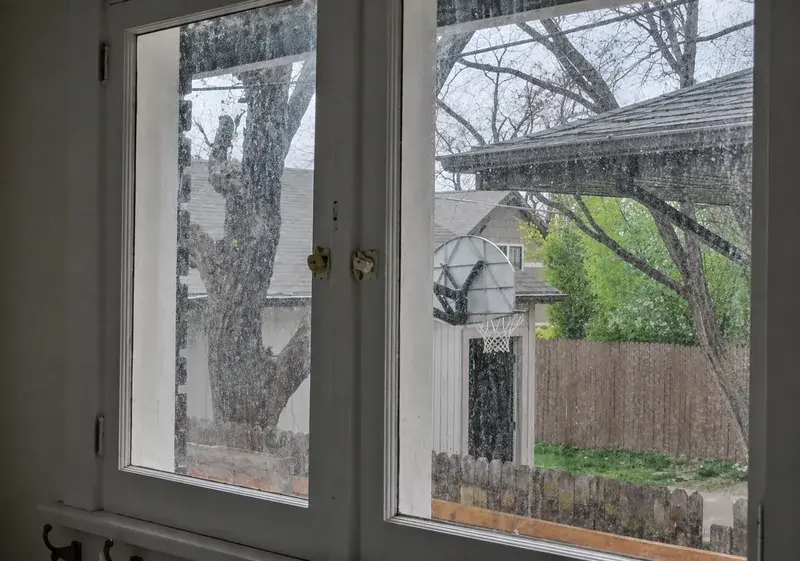
Hard water deposits come from mineral containing water. If sprinklers repeatedly spray a pane and the water dries there, minerals can remain on the glass.
Coastal Residue
Coastal residue has a different source. San Clemente sits along the Pacific coast, so glass closer to the ocean can also face marine exposure. Salt residue should not automatically be diagnosed as hard water.
Glass Damage
Glass damage is different again. If the surface itself has changed, removing material sitting on top of the glass may not return the pane to its original condition.
What’s Causing the Spots on Your Glass?
| What You See | Possible Cause | Does Regular Cleaning Help? | What May Be Needed |
|---|---|---|---|
| Dust, fingerprints, loose grime | Everyday dirt and outdoor exposure | Usually | Standard window cleaning |
| White spots or mineral rings | Sprinkler or irrigation water | Not always | Hard water stain treatment |
| Light surface film near coastal exposure | Salt and airborne residue | Often | Exterior window cleaning |
| Cloudiness that remains after treatment | Possible glass surface damage | May not | Further glass assessment |
What Causes Hard Water Spots on San Clemente Windows?
Sprinkler overspray is one of the first things worth checking. A sprinkler head that reaches a window can wet the same pane again and again. After the water evaporates, dissolved minerals can remain.
Irrigation can create the same pattern around landscaped areas. Lower windows, glass doors, and panes beside lawns or planting beds may receive more direct water exposure than protected glass.
The local water chemistry makes that relationship relevant. USGS research explains that calcium and magnesium are the main causes of water hardness and scale forming properties. USGS Publications
This does not mean every window in San Clemente develops the same problem. A property in Talega can have different irrigation exposure from glass near North Beach. Window orientation, sprinkler placement, landscaping, water source, and cleaning history all matter.
Talega, Forster Ranch, Marblehead, Pier Bowl, and Rancho San Clemente are recognized planning areas within the city, but the glass should be evaluated property by property rather than assigning one stain level to an entire neighborhood. San Clemente
Why Won’t Hard Water Spots Come Off With Regular Window Cleaning?
Because mineral buildup is not always ordinary surface dirt.
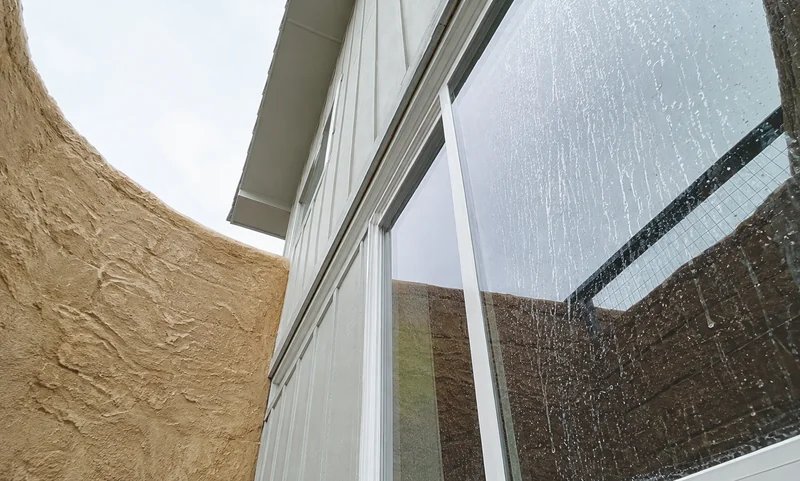
A normal window cleaning can remove dust, fingerprints, loose grime, and many forms of surface residue. Mineral deposits may remain visible after that cleaning.
This is also why repeatedly wiping a spotted pane does not necessarily solve the problem. The right next step depends on what is actually on the glass and the condition of the surface beneath it.
If the problem is mineral staining, we treat it as a separate service rather than pretending another routine wash will fix it.
Can Hard Water Stains Be Removed From Window Glass?
Many hard water deposits can be reduced or removed, but not every pane will return to its original condition.
The result depends on the amount and type of buildup, previous treatment attempts, glass condition, access, and whether the marks are still surface deposits or the glass itself has been altered.
We do not use a fixed timeline such as “three months means restoration” or “one year means replacement.” Age alone does not tell us what result is possible.
The affected glass needs to be seen and assessed.
Our Hard Water Stain Removal Process
Inspect the Glass
We look at where the spotting appears, the amount of buildup, nearby water sources, access, and the visible condition of the pane.
Identify the Likely Buildup
We check whether the marks appear consistent with mineral deposits or whether ordinary dirt, coastal residue, or another glass condition may be involved.
Test the Affected Area
Where appropriate, a small test area helps show how the glass responds before broader treatment begins.
Choose the Treatment
The method should match the glass and the condition found during inspection. We do not assume every pane needs the same treatment.
Treat and Clean the Glass
The affected areas are worked on according to the agreed scope, followed by cleaning and removal of treatment residue.
Check the Result
The glass is inspected again. If marks remain that appear related to surface damage rather than removable deposits, we explain the limitation rather than promising a result the treatment cannot deliver.
What Types of Glass Can We Evaluate?
Hard water spotting is not limited to one type of property.
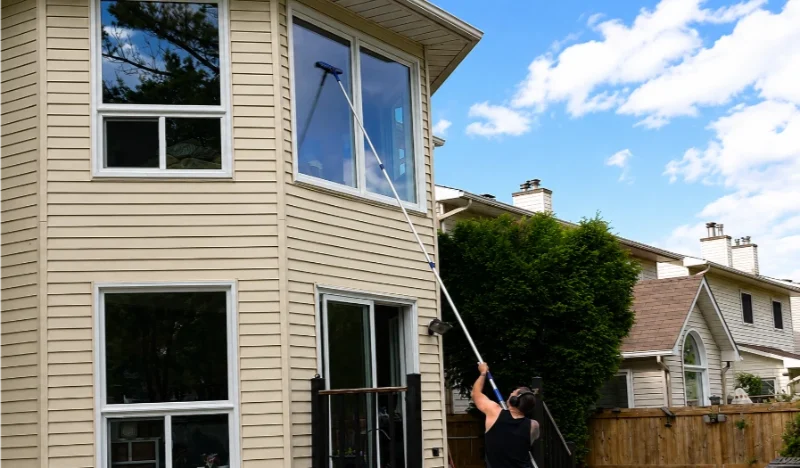
We can evaluate affected house windows, exterior panes, sliding glass doors, patio glass, large picture windows, accessible commercial glass, and windows where irrigation or sprinkler exposure is suspected.
Access matters too. Second story or hard to reach glass may require different equipment and planning, so accessibility is reviewed when the job is quoted.
- House and exterior windows
- Sliding glass doors and patio glass
- Large picture windows
- Accessible commercial glass
- Second story or hard to reach panes
Can Sprinkler Water Leave Lasting Spots on Windows?
Yes. Sprinkler water can leave mineral residue when droplets dry on the glass.
The pattern often gives a useful clue. If spotting repeatedly appears on glass facing a lawn or landscaped area, check where the sprinkler heads are aimed and how far the spray travels.
Removing the existing deposits without addressing repeated overspray can allow the same problem to return.
That makes the water source part of the job, even though adjusting or repairing the irrigation system itself is outside window stain removal.
How Do You Prevent Hard Water Spots From Coming Back?
Start with the source of the water.
Check sprinkler heads near windows and redirect overspray away from glass where possible. Look for irrigation that repeatedly wets sliding doors or lower exterior panes. After cleaning, keep an eye on the same areas for fresh spotting.
Regular exterior window maintenance can also help catch new deposits before layers continue to accumulate.
For properties with both coastal residue and irrigation exposure, do not assume every new mark has the same cause. What works for loose surface residue may not be enough for mineral buildup.
Can Hard Water Stains Be Removed Without Replacing the Glass?
Often, it makes sense to assess the glass before considering replacement. The inspection determines which situation appears to apply.
We separate three different situations:
Cleaning
Removal of ordinary surface dirt and residue.
Stain Treatment
Work directed at mineral deposits that remain after normal cleaning.
Glass Restoration or Replacement
Options that may need consideration when the problem goes beyond removable deposits.
If the problem is removable mineral buildup, stain treatment may improve the glass without replacement. If the surface has been permanently altered, however, cleaning cannot simply remove that physical damage.
How Much Does Hard Water Stain Removal Cost in San Clemente?
There is no responsible flat price without seeing the glass.
Heavy mineral treatment can require more work than standard window cleaning, which is why we assess the affected glass before giving a final scope and quote.
Cost can change based on:
- Number of affected panes
- Window size
- Amount of mineral buildup
- Glass condition
- Accessibility
- Treatment required
- Whether only selected panes or a larger area needs work
Have white spots that normal cleaning did not remove?
Call (949) 883-0300 or request an assessment.
Call for a Stain Removal QuoteHard Water Stain Removal Results in San Clemente
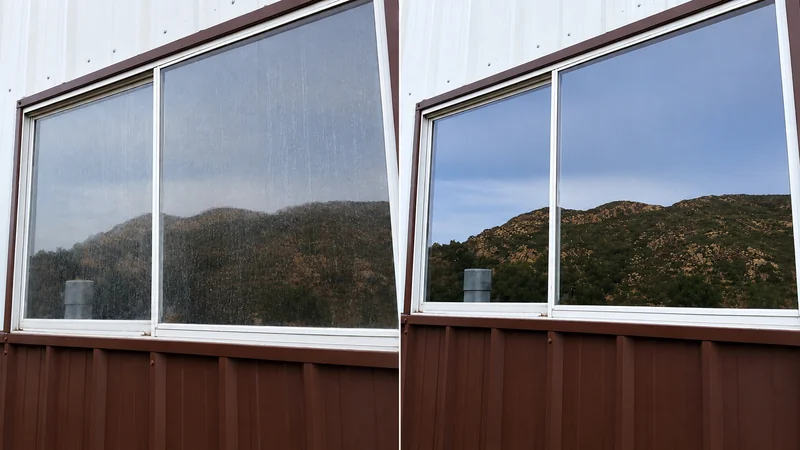
Clean Windows in Freezing Temperatures
Freezing temperatures made regular window cleaning difficult, as water would quickly freeze on the glass. We adjusted the cleaning method to handle the extreme cold and completed the job successfully. Despite the weather, the glass was left clean and presentable.
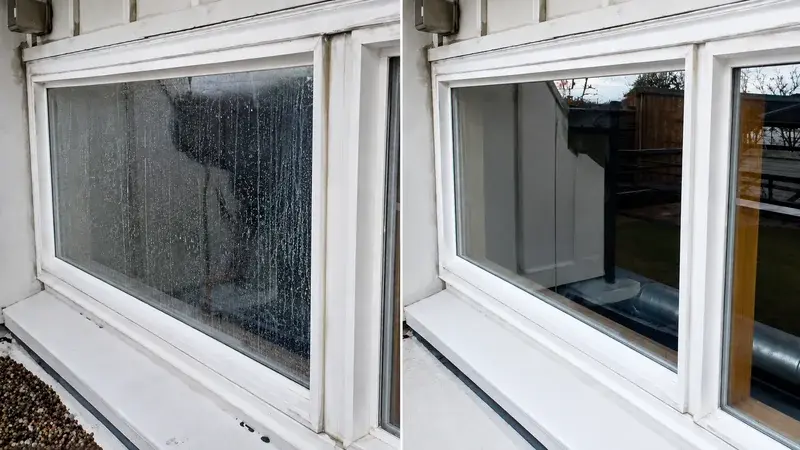
Remove Hard Water Stains from Windows
Heavy hard water buildup had developed across the glass, and normal cleaning wasn’t enough to remove it. We worked carefully over the affected areas and gradually cleared the buildup. The final result was noticeably cleaner glass with a much clearer appearance.
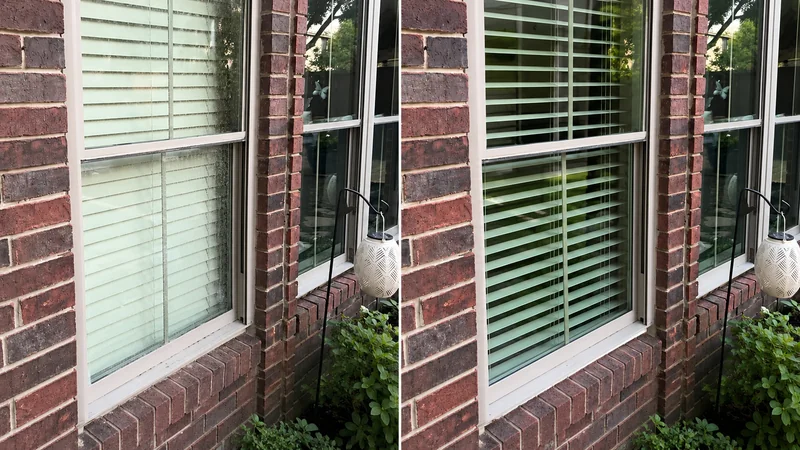
Remove Stubborn Hard Water Stains from Glass
After regular cleaning, stubborn hard water stains were still clearly visible across the glass. We gave the affected areas additional attention and worked through the buildup thoroughly. Once finished, the stains were gone and the glass had a much cleaner, clearer finish.
Why Choose Window Specialists for Hard Water Stain Removal?
Hard water stains need more than another pass with a squeegee. We first check the glass, the location of the spotting, and possible sources such as sprinkler overspray or irrigation. This helps us choose the right treatment and set clear expectations before work begins.
Trained and Experienced Technicians
Our technicians are trained to evaluate mineral buildup and choose a treatment based on the condition of the glass. We do not treat every white spot or cloudy pane as the same problem.
Test Treatment Before Larger Restoration Work
Where needed, we test a small affected area first. This gives us a better idea of how the deposits will respond and what level of improvement is realistic before treating a larger area.
Careful Treatment for Your Glass
The treatment is selected according to the glass and the condition found during inspection. If we find signs that the surface itself may be damaged, we explain the limitation rather than promising complete stain removal.
Licensed and Insured
Window Specialists San Clemente is licensed and insured for the work we perform. Our coverage helps protect both our team and your property while we’re on site, giving you added confidence when we’re working around windows, glass, and exterior areas.
Clear, Upfront Quotes
You receive a clear scope and price before the work begins. Cost is based on the affected glass, mineral buildup, access, and treatment required, rather than a one size fits all price.
Local Experience in San Clemente
We work with glass exposed to the conditions found around San Clemente, including irrigation and sprinkler overspray around landscaped properties and coastal residue closer to the Pacific. We inspect each property individually because the cause and condition of the staining can differ from one window to the next.
Work Backed by Real Results
Add genuine before and after photos, completed San Clemente projects, and customer reviews here as they become available. Those are stronger proof of the service than generic claims about quality.
Satisfaction Guarantee
We stand behind the hard water stain removal work we perform. Before treatment begins, we inspect the affected glass and explain the results you can reasonably expect based on its condition. If you are not satisfied with the completed work within the terms of our guarantee, let us know and we will return to review the treated area and address any covered concerns.
What San Clemente Customers Say
★★★★★“I was really impressed with Widow Specialist and the work his company, Hardwater Window Cleaning, does. Even in difficult winter weather, they still make sure the job is done properly and safely. You can tell they have plenty of experience and genuinely care about doing good work.”
Kevin Parker
★★★★★“Those hard water stains on my windows were giving me a hard time. Window specialist team was able to explain what needed to be done and his team took care of everything. They were patient, professional, and left my windows looking clean and clear again.”
Linda Morris
★★★★★“The hard water stains on my windows were pretty stubborn, but the Window specialist crew did a great job with them. I was especially impressed by how carefully they worked. You could really see the difference once they were finished.”
Jason Brooks
★★★★★“The sprinklers had left quite a bit of hard water on my windows, and regular cleaning wasn’t getting it off. The team handled the buildup professionally, and the windows looked noticeably cleaner and better afterward.”
Daniel Carter
★★★★★“I had quite a bit of hard water buildup from the sprinklers, and it had become pretty noticeable. The team at Window specialist San Clemente knew how to deal with it and took their time getting the glass looking right. The difference was easy to see when they were done.”
Susan Reynolds
Request a Hard Water Stain Removal Quote in San Clemente
If mineral spots are blocking an otherwise clear view, we can inspect the affected glass and determine whether stain treatment is appropriate.
Window Specialists San Clemente serves properties throughout San Clemente, including areas such as Talega, Forster Ranch, Rancho San Clemente, Marblehead, North Beach, and the Pier Bowl area.
Window Specialists San Clemente
931 Calle Negocio, Suite A
San Clemente, CA 92673
(949) 883-0300
Hard Water Stain Removal FAQs
Are white spots on windows always hard water?
No. Similar looking marks can come from ordinary dirt, coastal residue, or other surface conditions. The location and pattern of the spots can help with diagnosis, but the glass should be inspected before treatment.
Can vinegar remove hard water stains from windows?
Acids can react with some mineral deposits, and the USGS notes that vinegar’s acidity can help dissolve mineral particles. That does not mean vinegar is suitable for every window, coating, frame, or severity of staining. U.S. Geological Survey
Can hard water permanently damage window glass?
Persistent marks are not automatically permanent damage. If the surface itself has been altered, however, removing deposits may not restore the original appearance. This is why we avoid promising complete removal before inspecting the pane.
Can you treat hard water stains on sliding glass doors?
Sliding glass doors can be evaluated for mineral deposits, especially where irrigation or sprinklers regularly reach the exterior glass. Access and glass condition are checked first.
Why do hard water spots come back?
Usually because the source of repeated water exposure remains. If sprinklers continue hitting the same window, fresh mineral residue can form again as the water dries.
Does normal window cleaning remove mineral buildup?
Light surface residue may come off during cleaning, but established mineral deposits can require separate treatment. We determine that after inspecting the glass.
How can I tell if my window glass is etched?
Appearance alone may not provide a reliable diagnosis. If marks remain after appropriate surface treatment, further assessment may be needed to determine whether the issue is removable buildup or a change to the glass surface.